
Elizabeth Brooke-Carr
 Taking a shower is a personal affair, the bathroom a place of privacy. However, there have been occasions where I’ve willingly shared the intimacy of cubicle, warm water, soaping and sudsing with a carefully chosen companion, modesty overwhelmed by steaminess. It may not save much water but it does have a softening effect. Recently, after body-disfiguring surgery, I was invited to take a shower with someone I had known for only a few hours. No preamble or compliments. No time for coffee and a chat. No opportunity to take in a movie or a show, or to go for a slow, moonlit ramble along the banks of the Leith. Nor was there any suggestion of a long-term relationship. Just a towel over her arm and a seductive smile that glowed inside the boundary of bed curtains.
‘How about it?’
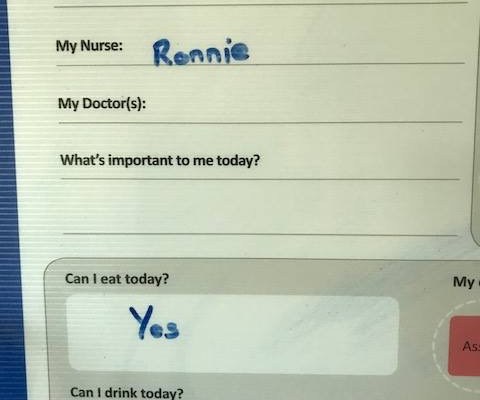
 She has a lived-in face and a voice which speaks of late night music and low lights, a soft husky catch of a voice which always has at its end the suggestion of a laugh. But she’s serious, on the level, is Ronnie.


 No records appear to have survived of the pioneering work in training midwives carried out at St Helens Hospital in Dunedin. The St Helen’s Hospitals provided early women doctors with a secure base and regular salary which was sometimes hard to achieve in general practice. Dr Emily Siedeberg-McKinnon wrote the following account of its initial years, which were subject to controversy. The account was retrieved from a storage box at the Dunedin Pioneer Women’s Hall by


 By their involvement in the arts, whether poetry, painting, or writing novels, nurses and other health professionals have the opportunity to express a side of themselves which is not always possible in their day-to-day work. It is a creative way of reflecting and thinking about what they see and do and feel in their daily contact with patients.” – Lorraine Ritchie, editor of Listening with my Heart